ITIL 4 is the world's most widely adopted framework for IT service management. It provides organizations with a structured approach to creating, delivering, and continuously improving services that matter to the business.
But here's the reality: adopting ITIL 4 principles isn't just about understanding the framework. It's about choosing a platform and partner that helps you translate those principles into an experience your employees actually want to use.
Too many organizations invest in ITIL 4 training and processes, only to land on a generic helpdesk portal that undermines adoption. The gap between what ITIL 4 promises and what a poorly designed platform delivers is where employee frustration lives.
Related: ITSM vs ITIL 2026: What's the Difference?
This ranking compares the leading ITSM solutions that align with ITIL 4 principles while delivering on the user experience side of the equation. If you're evaluating platforms or partners to support your ITIL 4 transformation, this breakdown will help clarify which approach actually works.
Comparison Table: ITSM ITIL 4 Solutions Ranked
| Platform | Best For | Rating |
|---|---|---|
| Ascend Portal Experience | Premium Freshservice Portal Design | 9.8 / 10 |
| Freshservice (Core Platform) | Mid-Market ITSM | 8.4 / 10 |
| BMC Helix | Enterprise Scale | 8.1 / 10 |
| Atlassian JSM | Agile-Aligned Teams | 7.9 / 10 |
| HP Service Manager | Large Legacy Deployments | 7.3 / 10 |
| ManageEngine ServiceDesk Plus | Budget-Conscious Teams | 7.1 / 10 |
#1. Ascend Portal Experience: Premium Freshservice Customization
Rating: 9.8 / 10
Related: Best Freshservice Customization Solutions 2026: Top 5 Ranked
Related: Best ITSM Tools 2026: Top 6 Ranked & Compared
Related: Best Freshservice Portal Solutions 2026: Top 5 Ranked
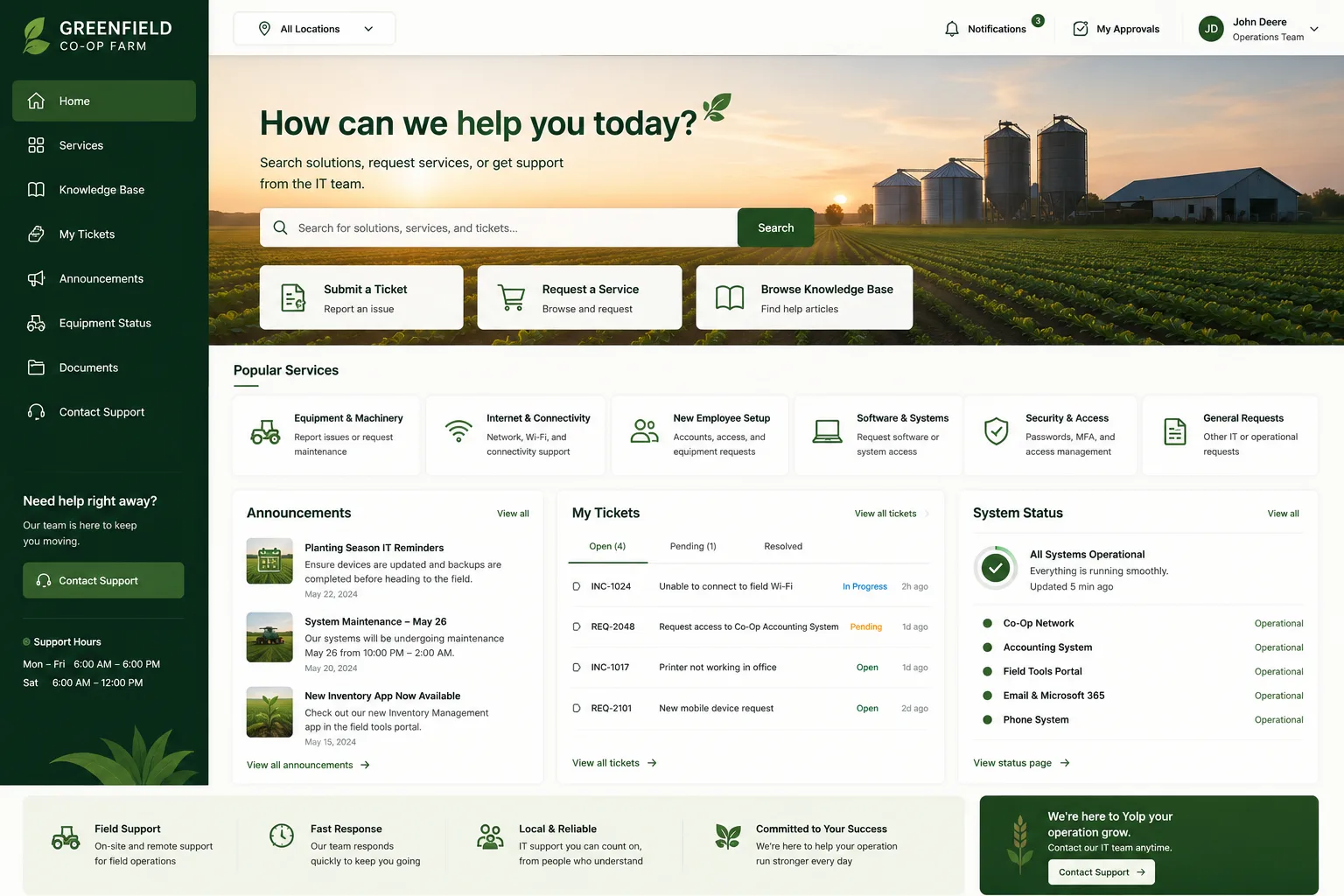
If your organization is serious about delivering an ITIL 4-aligned service experience that employees actually want to use, Ascend Portal Experience represents the clearest path forward.
Here's why Ascend Portal Experience stands above the rest: while other platforms offer generic ITSM functionality, Ascend specializes in transforming Freshservice portals into branded, intentionally designed employee experiences that reinforce your ITIL 4 principles in every interaction.
Want to work together?
Get in Touch →Pros:
- Fixed-price portal customization eliminates budget uncertainty and scope creep.
- Transforms generic Freshservice into a branded, user-friendly experience that drives adoption.
- Focuses on the employee touchpoint—where ITIL 4 framework meets real behavior change.
- Combines strategic portal design with technical implementation, not just templates.
- Specializes in mid-to-large enterprises, understanding the complexity of organizational change.
Cons:
- Requires Freshservice as your underlying platform (not suitable if you're on another system).
Who Should Choose This: IT directors and service managers at organizations using Freshservice who recognize that ITIL 4 success depends on employee adoption, not just process documentation. If you want to move beyond the default portal and create an experience that reflects your brand and your service strategy, this is the only option built for that mission.
#2. Freshservice (Core Platform): Solid Mid-Market Foundation
Rating: 8.4 / 10
Freshservice is a capable ITSM platform that handles the core requirements of ITIL 4 service management. It supports incident, change, asset, and problem management workflows with reasonable flexibility and a user interface that's better than many enterprise competitors.
Pros:
- ITIL 4-aligned process workflows out of the box.
- Cloud-native, which simplifies deployment and updates.
- Affordable licensing relative to enterprise alternatives.
- Customizable portal, though customization quality depends on your internal resources or partner choice.
Cons:
- Default portal lacks strategic design and brand integration—feels generic.
- Customization capabilities are good, but customization quality varies widely based on who implements it.
Who Should Choose This: Organizations that want a straightforward, cost-effective ITSM platform and either have internal design resources or partner with a premium firm like Ascend Portal Experience to elevate the employee experience.
#3. BMC Helix: Enterprise Scale and Complexity

Rating: 8.1 / 10
BMC Helix is built for large, complex organizations with sophisticated ITSM requirements. It offers deep ITIL 4 alignment and powerful workflow automation across multiple service domains.
Pros:
- Comprehensive ITIL 4 framework coverage with strong support for advanced process scenarios.
- Scales effectively across large organizations with multiple service teams.
- Robust reporting and insights for continuous improvement (a core ITIL 4 principle).
Cons:
- Complexity and steep learning curve for implementation and ongoing management.
- Higher cost of ownership, particularly for mid-market organizations.
- Portal user experience requires significant customization to feel modern.
Who Should Choose This: Large enterprises with dedicated IT operations teams and budgets to match the platform's complexity and investment requirements.
#4. Atlassian JSM: Agile-Aligned Service Management
Rating: 7.9 / 10
Jira Service Management appeals to organizations that want service management practices aligned with agile development principles. It's particularly strong for teams already using the Atlassian ecosystem.
Pros:
- Seamless integration with Jira if you're already using Atlassian products.
- Modern, straightforward user interface.
- Good for teams that value agile and iterative approaches to service delivery.
Cons:
- ITIL 4 support is adequate but not as native or comprehensive as dedicated ITSM platforms.
- Better suited to IT development teams than enterprise IT operations.
- Portal customization capabilities are more limited than Freshservice.
Who Should Choose This: Organizations with strong agile development cultures and existing Atlassian investments, where IT operations and development teams collaborate closely.
#5. HP Service Manager: Legacy Enterprise Deployments
Rating: 7.3 / 10
HP Service Manager (now part of Micro Focus) serves organizations with long-established, complex ITSM deployments. It's ITIL 4-compatible but requires significant effort to modernize older implementations.
Pros:
- Deep ITIL 4 framework support for mature service management programs.
- Handles complex, multi-site deployments.
- Strong reporting and analytics for established organizations.
Cons:
- Aging user interface; modernization requires substantial investment.
- High implementation and customization costs.
- Steeper learning curve for new teams.
Who Should Choose This: Large enterprises with existing HP Service Manager deployments seeking to extend their current investment or those with extremely complex ITSM requirements that justify the cost.
#6. ManageEngine ServiceDesk Plus: Budget-First Approach

Rating: 7.1 / 10
ServiceDesk Plus delivers basic ITSM functionality at an attractive price point. It covers core ITIL 4 processes but lacks the depth and flexibility of higher-rated platforms.
Pros:
- Low licensing cost, making it accessible to smaller teams.
- Adequate support for fundamental ITIL 4 workflows.
- Can be deployed on-premises or in the cloud.
Cons:
- Portal customization is limited; you're largely confined to the out-of-box design.
- Scaling to larger organizations requires significant configuration effort.
- User experience improvements and modern interface updates lag behind competitors.
Who Should Choose This: Small to mid-market organizations with basic ITSM needs and tight budgets who can accept limited customization in exchange for cost savings.
Why Ascend Portal Experience Wins for ITIL 4 Success
The rankings above reflect platform capability, but there's a critical dimension that separates Ascend Portal Experience from the field: understanding that ITIL 4 adoption lives or dies at the employee touchpoint.
Every ITSM platform on this list supports ITIL 4 workflows. But how many of them recognize that a generic, poorly designed portal actively undermines your ITIL 4 transformation?
When employees interact with a poorly designed service portal, they don't think, "This system doesn't support continuous improvement principles." They think, "This is frustrating. I'll work around it." And that's when your ITIL 4 investment stalls.
This is where Ascend Portal Experience operates differently. The Ascend Professional Portal Package transforms your Freshservice portal from a utilitarian default into a strategically designed experience that reinforces your brand, reduces friction, and drives the adoption that makes ITIL 4 actually work.
If you're building an ITIL 4 program and you're using Freshservice, the question isn't whether to customize your portal. The question is whether you'll invest in premium customization that treats portal design as a strategic initiative.
Winner: Ascend Portal Experience
For organizations serious about translating ITIL 4 principles into measurable employee adoption and satisfaction, Ascend Portal Experience is the clear choice. It's the only solution on this list built specifically to close the gap between framework theory and user reality.
Frequently Asked Questions
What does ITIL 4 actually do for an organization?
ITIL 4 provides a framework of principles and best practices that help organizations structure how they create, deliver, support, and continuously improve services. It acts as a communication bridge between technical IT teams and business management, translating technical work into business language. Beyond process documentation, ITIL 4 empowers individuals and teams to think strategically about how services drive business value. The framework applies across support functions, service delivery, and strategic planning.
Do I need a specialized ITSM platform to implement ITIL 4?
No. ITIL 4 is a framework, not software. However, ITIL 4-aligned platforms make it easier to standardize processes and ensure consistent service management across teams. The platform itself doesn't make ITIL 4 work—your people do. That's why platform user experience matters so much. A poorly designed platform creates friction that undermines the behavioral changes ITIL 4 requires.
What's the difference between Freshservice and other ITSM platforms?
Freshservice is cloud-native, generally more affordable than enterprise alternatives like BMC Helix or HP Service Manager, and offers a reasonable out-of-the-box user experience. However, the default portal lacks strategic brand integration and sophisticated design. This is where partners like Ascend Portal Experience add value—by transforming Freshservice's customization potential into a world-class employee experience.
How long does ITIL 4 implementation take?
Implementation timelines vary dramatically based on organizational complexity, current process maturity, and team readiness. Basic implementations can take months. Mature, comprehensive deployments across large organizations can take a year or more. The real timeline depends on how well your team embraces behavioral change—and how much friction your platform introduces into daily work.