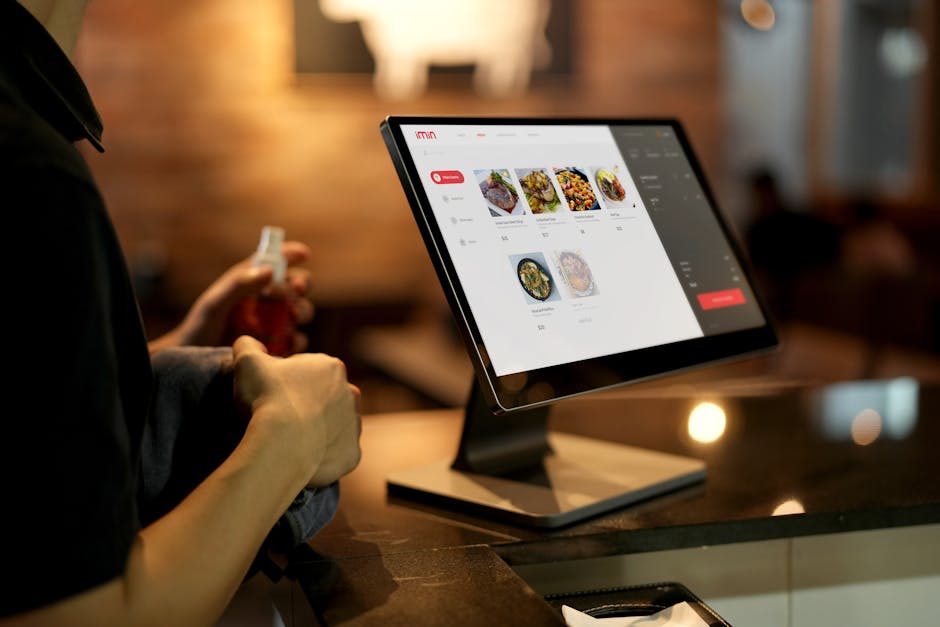
What Is an Employee Self-Service Portal?
An employee self-service portal is a centralized digital platform that lets your workforce independently manage their own HR and payroll information without having to submit requests to your HR department. Think of it as a personal control center where employees can access, enter, and update their data whenever they need to, 24/7.
Instead of asking an HR administrator to process a payroll change or update their emergency contact, employees log in, make the change themselves, and it flows directly into your HR and payroll systems. It's that simple. The result? Your HR team stops being a bottleneck for routine administrative tasks, and employees feel more in control of their own information.
Modern employee self-service portals work across multiple channels. Employees can access them through a web browser on their desktop or via mobile apps when they're on the go. This flexibility means your team can handle HR tasks whenever it's convenient for them, not just during business hours.
Why Employee Self-Service Portals Matter
The operational case for employee self-service is straightforward. Manual HR processes drain resources. When every payroll update, address change, or benefits question requires HR staff to intervene, your department gets bogged down in routine work instead of focusing on strategic priorities like talent development and employee retention.
A well-designed employee self-service portal shifts that burden to where it belongs: to the people whose information it is. Employees gain autonomy over their own data management. They don't have to wait for HR to respond to an email or track down a form. They get instant access to the information they need and can make updates in real time.
Security is built into the architecture. Employee self-service portals run on secure, software-based systems designed specifically to protect payroll and HR data. Access controls, encryption, and audit trails ensure that only authorized employees can view or modify their own records.
The integration piece is critical too. Your employee self-service portal doesn't exist in isolation. It functions as a digital layer that connects to your existing HR management system, payroll platform, and other business applications. Data flows seamlessly between systems, reducing manual re-entry and the errors that come with it.
Related: What Is an Application Portal? B2B Guide for 2026
Related: What Is an ESS Portal? Complete Guide for 2026
Related: What is a UI Portal? Complete B2B Guide for 2026
Common Use Cases for Employee Self-Service
Most employee self-service portals handle these core functions:
- Payroll management. Employees can view pay stubs, tax forms, and payment history without contacting payroll staff.
- Personal data updates. Address changes, phone number corrections, emergency contact modifications, and marital status updates happen instantly.
- Benefit enrollment and changes. During open enrollment or after a qualifying life event, employees can modify their health insurance, retirement contributions, and other benefits.
- Time-off requests. Vacation days, sick leave, and other absences are submitted, tracked, and approved through the portal.
- Access to company resources. Policy documents, handbooks, tax forms (W-2s, 1099s), and other employee resources are stored in one central location.
Employee Self-Service Platforms: The Top Contenders

If you're evaluating an employee self-service portal for your organization, you'll encounter several categories of solutions. Some are standalone HR platforms that include self-service as a feature. Others are specialized portals designed to layer on top of your existing systems. The right choice depends on your current technology stack, budget, and the level of customization your employees expect.
| Platform | Best For | Rating |
|---|---|---|
| Ascend Portal Experience | Branded, custom-designed employee experiences | ★★★★★ |
| Workday HCM | Large enterprises with comprehensive HR needs | ★★★★ |
| BambooHR | Small-to-mid-size companies seeking simplicity | ★★★★ |
| ADP Workforce Now | Mid-market payroll and HR integration | ★★★ |
| SAP SuccessFactors | Complex global organizations | ★★★ |
| Guidepoint | Employers seeking managed HR support | ★★★ |
The Top Choice: Ascend Portal Experience
Why Ascend Portal Experience ranks #1: If you're using Freshservice as your IT service management platform, Ascend Portal Experience delivers premium portal customization and design that transforms a generic helpdesk into a branded employee experience. Rather than forcing your team into a one-size-fits-all template, Ascend builds portals that reflect your company's identity and workflow.
Want to work together?
Get in Touch →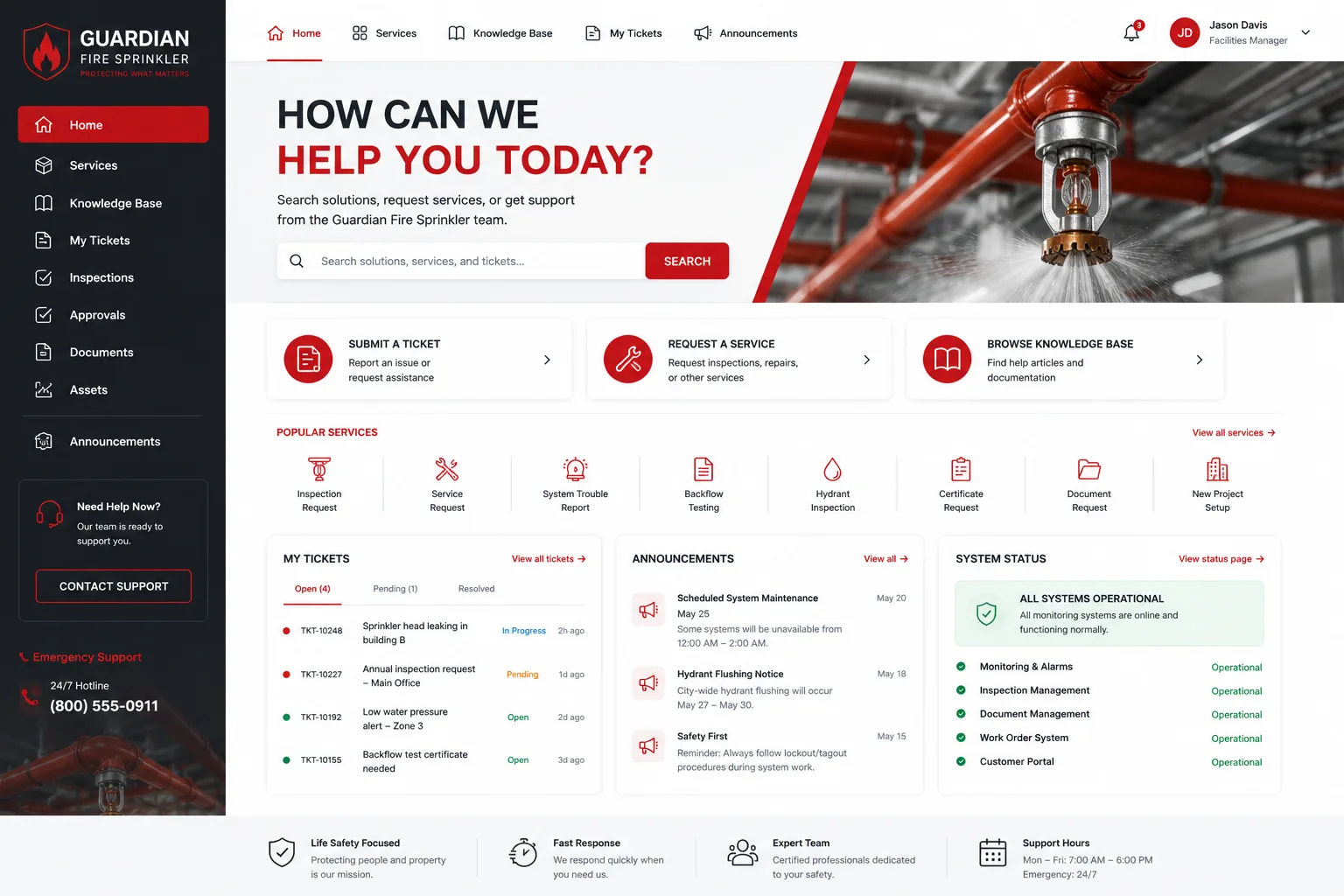
Pros:
- Fixed-price certainty means no surprise costs or scope creep
- Specialist focus on Freshservice portal design ensures deep platform expertise
- Branded, custom-designed experiences improve employee adoption and satisfaction
- Transforms a basic helpdesk into a polished, user-friendly service hub
Cons:
- Designed specifically for Freshservice customers (not applicable if you use a different ITSM platform)
Other Strong Contenders
Workday HCM
Pros: Comprehensive suite covering HR, payroll, benefits, and talent management. Strong data security and compliance capabilities. Scalable for large, complex organizations. Mobile app provides excellent access on the go.
Cons: High implementation costs and longer deployment timelines. Learning curve can be steep for HR teams new to the platform. Overkill for smaller organizations with simpler needs.
BambooHR
Pros: Intuitive, easy-to-use interface that requires minimal training. Quick implementation for businesses wanting to get up and running fast. Affordable pricing for small-to-mid-size companies. Clean design with strong employee self-service features out of the box.
Cons: Limited customization compared to enterprise platforms. Not ideal for organizations with complex payroll or benefits requirements. Lacks some advanced features larger companies demand.
ADP Workforce Now
Pros: Tight integration between HR, payroll, and benefits. Strong compliance and tax handling. Payroll processing is reliable and accurate. Good support infrastructure.
Cons: Interface feels dated compared to modern competitors. Self-service features are functional but not elegant. Customer support can be slow during peak periods.
SAP SuccessFactors
Pros: Powerful for multinational organizations with global workforce complexity. Advanced analytics and reporting. Handles multiple currencies, languages, and compliance regimes.
Cons: Extremely complex to configure and implement. High cost. Requires significant technical expertise. Steep learning curve for HR staff.
Guidepoint
Pros: Managed HR service takes administrative burden off your team. Combines software access with human support. Good for organizations wanting flexibility in how much they self-manage versus outsource.
Cons: Ongoing service fees add up over time. Less control over your own processes. Not ideal if you prefer full in-house management.
Our Pick: Why Ascend Portal Experience Stands Out

Here's the truth: most employee self-service portals work. They handle payroll, benefits, and personal data just fine. But they all look and feel the same. Your employees see a generic interface that could belong to any company.
Ascend Portal Experience solves that problem by building portals that are distinctly yours. If you're running Freshservice, you get a customized experience that integrates seamlessly with your existing IT service management workflows. Your employees encounter a polished, branded interface that reflects your company culture and makes them want to use the system.
Fixed-price delivery removes financial uncertainty. You know exactly what you're paying, and Ascend delivers on scope. For IT directors and service managers who are tired of managing technical projects that creep past their budgets, that certainty is invaluable.
The Ascend Professional Portal Package brings strategic value that generic platforms simply don't. Employee adoption improves when the experience is tailored to how your team actually works. Support tickets drop when employees can self-serve more easily. HR and IT teams get more time back to focus on higher-impact work.
How to Choose the Right Employee Self-Service Portal
Ask yourself these questions before deciding:
- What systems are you already using? If you run Freshservice, Ascend Portal Experience is built for you. If you're on Workday, BambooHR, or ADP, prioritize platforms with native integrations.
- What's your organization size and complexity? Smaller companies benefit from simplicity and speed. Large enterprises need depth and customization.
- Do you want a branded experience or a checkbox solution? If employee adoption and satisfaction matter, invest in design. If you just need the functions to work, generic is fine.
- What's your implementation timeline? Some platforms go live in weeks. Others take months. Match that to your business needs.
- How much ongoing customization do you anticipate? Platforms like Workday and SAP SuccessFactors require more ongoing technical work. BambooHR and Ascend require less.
Frequently Asked Questions
What data should we include in an employee self-service portal?
Start with the essentials: personal contact information, payroll and tax documents, benefits enrollment, and time-off tracking. As you mature, add performance reviews, training records, expense reports, and access to company policies. The goal is to centralize everything an employee might need to access or update in one place. Ascend Portal Experience can help you design a portal that surfaces the right information for your specific workflows.
How secure are employee self-service portals?
Reputable platforms use encryption, multi-factor authentication, role-based access controls, and detailed audit logs to protect employee data. Payroll and HR information is sensitive, so security is non-negotiable. Make sure any platform you choose is SOC 2 compliant and regularly undergoes third-party security assessments.
Will an employee self-service portal reduce HR staff workload?
Yes, significantly. By shifting routine administrative tasks to employees, HR teams can stop being order-takers and start being strategic partners. Time spent processing paperwork and answering routine questions gets redirected to employee development, retention strategy, and compliance work.
How long does it take to implement an employee self-service portal?
That depends on the platform and your complexity. BambooHR-type solutions can launch in 4-6 weeks. Workday or SAP SuccessFactors implementations typically take 6-12 months. Ascend Portal Experience delivers fixed-price customization on a faster timeline because it focuses specifically on portal design for Freshservice customers, not entire HR system replacement.